I would bet that anyone reading this article has indulged in, or tried to get on the rap fad at least once in their life. Be it Eminem, Kanye, Post Malone or Drake, each have their unique style and a mass following. But throughout the evolution of music, how did we get here with rap? And for those who discuss music from time to time, I’m sure you’ve had your little moments discussing whether rap music is indeed, a form of art.
The first chapter of the evolution of this particular form, the origin, is part of a subculture, termed ‘HipHop’. Now this hasn’t been around for a really long time, but a couple of decades did leave a meandering path for this phenomenon. According to most professors who teach American history and arts, hiphop culture came from the infamous Bronx after a couple of urban planning mishaps by NYC in the 60s. The middle class, and all ethnic communities except the poor blacks and hispanics moved out of the Bronx and into the better suburbs. In the abandoned and dilapidated apartments, graffiti and breakdance were born amongst the youth in the communities. Alongside, crime and violence rose in these neighbourhoods, and a ghetto way of life came to be. The creative, artistic ones from the hood founded the soul of rap music right then. It was their expression of life in the Bronx, a broadcast into the world of flashy pop songs and widespread rock concerts outside.
The rap songs and albums at this conception point had a consistent theme of ‘hood politics’, clearly reference by Nas, one of the pioneers in this genre. Many of these rap artists, in fact, had ‘gangster’ personas, having a history of drug dealing and so on. In contrast, today we’ve moved on from that with rappers like Drake (a star kid born into a wealthy family) who believe that succeeding in rap doesn’t require a conviction to a theme of crime.
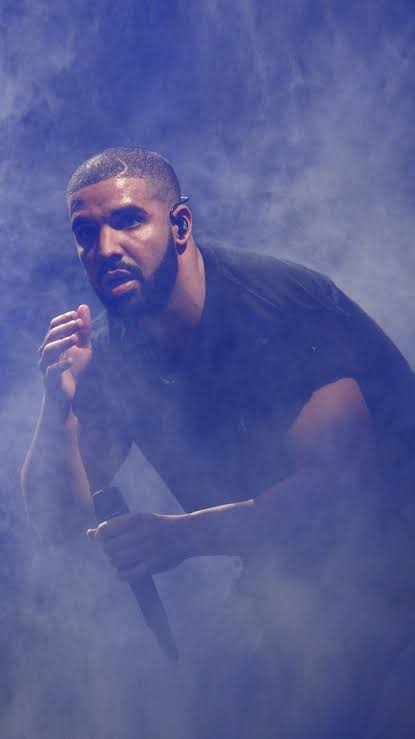
The evolution is evident, but the niches and nuances that we observe are the link between societal and musical development.
What Rap talks about
In the 90’s, the focus of the music was narrow. Everyone rapped about the intricacies of a life entangled with gangs and guns. They rapped about struggle of rising up from the dirt, and reaching for success, regardless of the fame and money they acquired. At the same time, all these stories and characters were honest to death, carved out from their struggle. ‘Poverty begets crime’ was what the devoted followers wanted to listen to, like a fantasy world far from their comfortable lives. Rappers like Styles P talked about child abuse and brought the cold hard truths out into the music industry in a form that was raw and unseen before. The audience gorged up on underdog stories of rappers, and just couldn’t have enough of them.
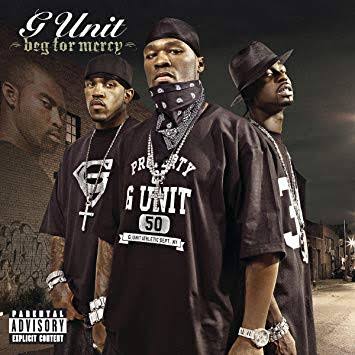
In 2004, with the release of Kanye’s first album, the lyrics transitioned into the stories of how rappers live their life, with supercars and supermodels. The era of materialism was here and the mainstream rap songs talked about everything, from thrift shopping to the sheer excess of their lifestyles. Sexuality and romance also had a breakthrough in rap as the trend of aggression and illegality wore out. The artists weren’t afraid to show a softer side to relationships, even amidst the genre’s sexist misogynistic image.
The freedom of the Internet
Internet was the single greatest tool in the movement towards self- expression. The advancements in social media and media streaming came as a blessing for many rap artists trying to tell their story.
Back in the early days, when record labels were the only way to release your albums effectively to the masses, artists did not have the leeway to produce what they wanted. Ghetto life struggles were what sold, and that’s what the labels signed artists for. But on social media where rappers had their own following, and their freedom to release whatever they produced, rap took off like no genre had ever before.
SoundCloud and YouTube are the playgrounds for artists who are willing to talk about things they want to share. Rappers Ramirez and Miles believe that, not having to hold up expectations of the labels, while still finding success for what you do, is something that the internet deserves credit for. Artists construct their messages and put it out for the world to see on these streaming services, and they use Twitter and Instagram to provide an insight into their daily lives, for their followers.
Today, we can connect with our favourite artists better, and we have a genuine and honest picture of their life, just being themselves.
Furthermore, there barely exists a division among rappers on the basis of what they choose to talk about. In the early 90’s, the ones who followed the trend with a “thug” persona, were in the mainstream while the ones who wanted to talk about politics and social issues stayed as underground groups. But with the universality of music that we have today, these walls are broken down. ‘Music that resonates with people, is a hit. If it doesn’t, you won’t last.’ That’s the mantra followed today and that’s what we have observed in the last decade.
This sense of universality has impacted the boundaries of these genres tremendously. In order to appeal to a larger audience base, genres are being mashed together. Hip-hop artists are encourage to collaborate with pop artists to sing catchy hooks for their songs, and inculcate a dance beat into the song. Evidently, songs produced this way do hit the top charts very often. However, I have my reservations about protecting the true nature of some of these genres that I grew up listening to.
Some things never change
Hard work and perseverance. No matter how many years pass by, artists who have produced amazing works consistently are the ones who are not forgotten. Although I showed how Internet has made it easier to release your music, it demands a very raw, vulnerable, and an honest story from the artists. The rappers who hold on their self-constructed thug personas find it really difficult to attract the crowds today. They have to be committed and consistent to presenting a sincere version of themselves or they fade away in no time. If a rapper can’t get people to “familiarise themselves with who they are, then they’re easily forgotten,” Poppa Sims attests.
Ramirez believes, doors will continue to open for artists and they will be able to break into new styles and new characters and find success independently. People are opening up their ears to the sounds of rap and they will continue to do so. Rap is going to strengthen its position in the music industry, and as radio personality J Will says, ‘hiphop is here to stay’.
– Divyam Mehta