I’m sure all of you must have heard of hawk-eye technology, and if not then you must have definitely seen it work live at any globally famous sports event.
Hawk-Eye is basically a complex computer system used in cricket, tennis, football and many other sports to visually track the path of the ball used in the game and then predict the most statistically likely path of the ball. There is a huge amount of data going on behind the scenes, with all sorts of cameras, infra-red motion tracking and touch-sensitive pressure sensors involved. This is then combined with video replay and creative graphics to get the slick graphics we see on screen. The term “Hawk-Eye” was coined by cricket commentators, but later the phrase was also adopted into various other sports. From there onward, this technology has become a necessary utility for sport.
HOW DOES HAWK-EYE WORK?
Hawk-eye consists of image processing technologies, 3D modeling technologies and laws of physics. There should be at least four high-speed cameras placed at different locations of the stadium covering the whole play from different angles. During each frame of the video, the actual ball is identified.
After that, the three-dimensional position of the ball is calculated by comparing the position against at least two other cameras. Then those derived 3D location data are stored in a predefined model of the playing area (stadium). This process is called ‘triangulation’.
Even though it calculates the three-dimensional location, it’s more likely a “four-dimensional” technology, because the time is also added to the triangulation process. So that places the ball in space, synchronized with time. Accuracy of the position is pretty impressive as it gives the location with precision in millimeters.
Using those location data, the system can calculate the next movements of the ball by applying the laws of physics. The system is capable of calculating where the ball will interact with any of the playing area features already programmed into the database.
WHERE HAWK-EYE IS USED?
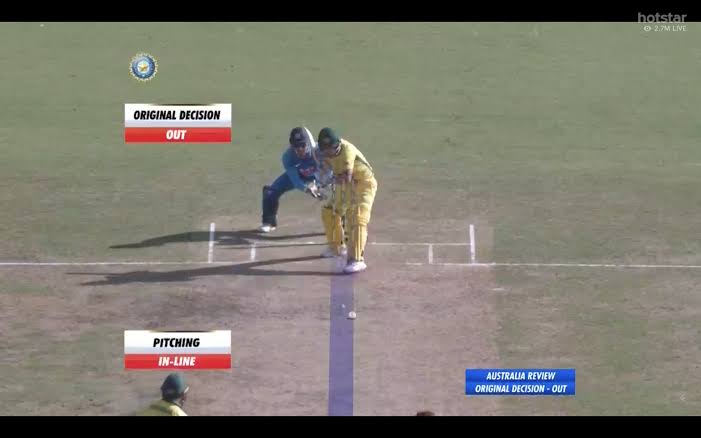
Leg before wicket decisions in cricket
Six cameras track the ball as soon as the bowler releases it from their hand, including bouncing, spinning, and swinging. This tracking is then converted into a 3D image to show a cricket pitch graphic. With the help of this graphic, one will be able to visualize what happens if the leg did not obstruct, where the ball pitches and even how fast the ball is traveling.
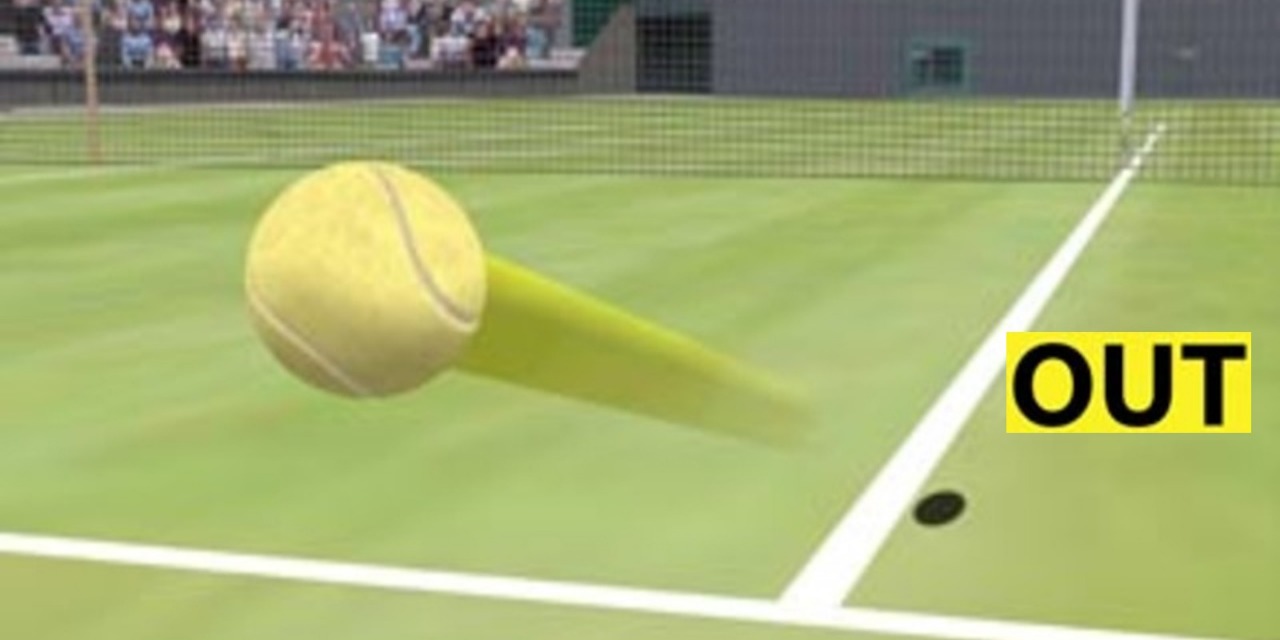
Electronic line calling in tennis
Being a tennis linesman is a tough job – especially when the ball can get up to 120mph in a serve. Hawk-Eye is approved by the International Tennis Federation and officially used in almost all tennis tournaments worldwide. If a player challenges a call, Hawk-Eye is used to show whether the ball was in or out. 10 cameras are positioned around the court to track the ball, a 3D image is processed frame by frame to show the ball’s trajectory accurate to within 5mm.
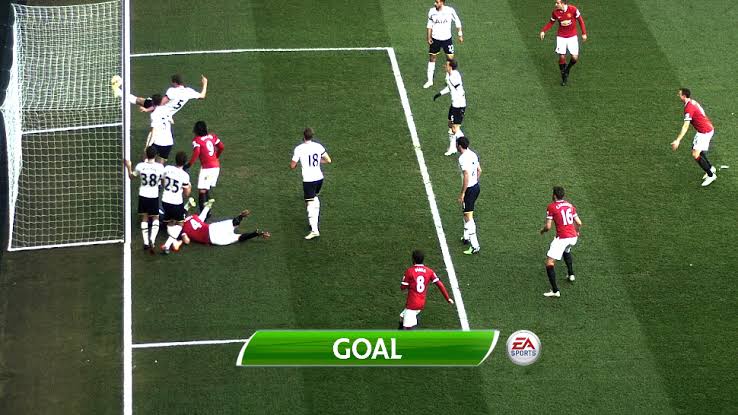
Goal-line technology in football
Ask any football fan and they’re bound to have an opinion on VAR and goal-line technology.While it’s only been part of the game since 2018, it’s already led to several controversies.For many historic moments, it came too late and could have altered the entire course of football with just a few decisions. It’s already used in association football leagues/tournaments around the world, including the FIFA World Cup, Premier League, German Bundesliga, and Italian Series. 7 cameras are set up on each goal which will always be able to track the ball’s location, also detecting when the ball crosses the goal line, sending an Instant notification to the referee’s watch.
– Josson Thoppil