“8 hours a day in class, 4-5 hours finishing up assignments and for the rest of the time, I’m hunched over my phone”
If you’re anything like this you’ll understand that we spend most of our time indoors, tapping away at either our phones or laptops. ‘Stress’ is our body’s way of responding to demands and threats that come our way – a particularly unhealthy biological response triggered by an external stimulus. Anxiety, stress and depression are three very common mental well-being issues that almost every student experiences at some point in their lives. Physical settings can act as a major stress inducer. Studies have established the role of the outdoor world in the psychological restoration process and combating stress.
Living in a society where mental health is of low importance is an issue of increasing concern. We fail to understand the effect of ‘Rumination’, a term that’s not commonly heard but felt. This happens when you’re affected negatively by an incident – an academic dip, a break-up, loneliness, a bitter remark. It is described as a pattern of deep, repeated thoughts which heightens the risk of depression and other psychological issues. A study published in the ‘Proceedings of the National Academy of Sciences’ by a group of Stanford researchers looked into the effect of nature in reducing rumination. Thirty eight mentally healthy people were studied and examined whether a walk out in nature would reduce rumination in them. This group of people were split into groups of two; one group was sent out for a walk through the grasslands with views of scenic hills, whereas the other group was sent for a walk through traffic-clogged streets of an urban city. The end of the research proved that the group of people who walked in nature showed a decrease in rumination as compared to the other group that showed no improvement.
Nature has the ability to put the brain to rest by eliminating pessimistic thoughts and replacing them with more positive ones. Researchers also claim that nature has restorative properties which helps the human brain to de-stress by being away from the demands and threats that affect our mental well being by causing stress.
It is proven that nature has the ability to change moods from depressed, anxious and stressful to positive, calm and happy; therefore refreshing us for new tasks. Furthermore, nature can help restore our ability to pay attention. An interesting research conducted by Andrea Taylor shows that time spent in nature can improve attention spans in children with ADHD (Attention Deficit Hyperactivity Disorder).
You don’t need access to the forest, or a hilly view to be able to de-stress yourself. There are many ways you could unwind and give yourself a break from your stressful, monotonous routine. In today’s world, it’s not as easy as it sounds to immerse yourself in nature, away from our daily work. However, there are small, simple things we can do to de-stress ourselves using nature.
- Awareness of your surroundings: Go outside and pick a spot; away from buildings, maybe under a tree or in a garden. Just pay attention to all the things nature has to offer. Use your eyes, ears, nose and senses to observe.
- Get some exercise: Exercise helps keep your body and mind at rest. Just grab a pair of shoes and go running by the beach or in a garden. Make sure you keep yourself as far away as possible from the hustle and bustle of the city.
- Gardening: Gardening may be known as a popular activity, but is known to be a great stress buster. It keeps you closely engaged with nature. In polluted environments, your body needs to work harder to get the oxygen it needs to function, however, fresh air improves your blood pressure and regulates your heart rate.
- Nature trips: Travel more often, and try to pick nature-oriented spots. Travelling away from your monotonous lifestyle into nature will reboot your brain by helping clear all the negative thoughts.
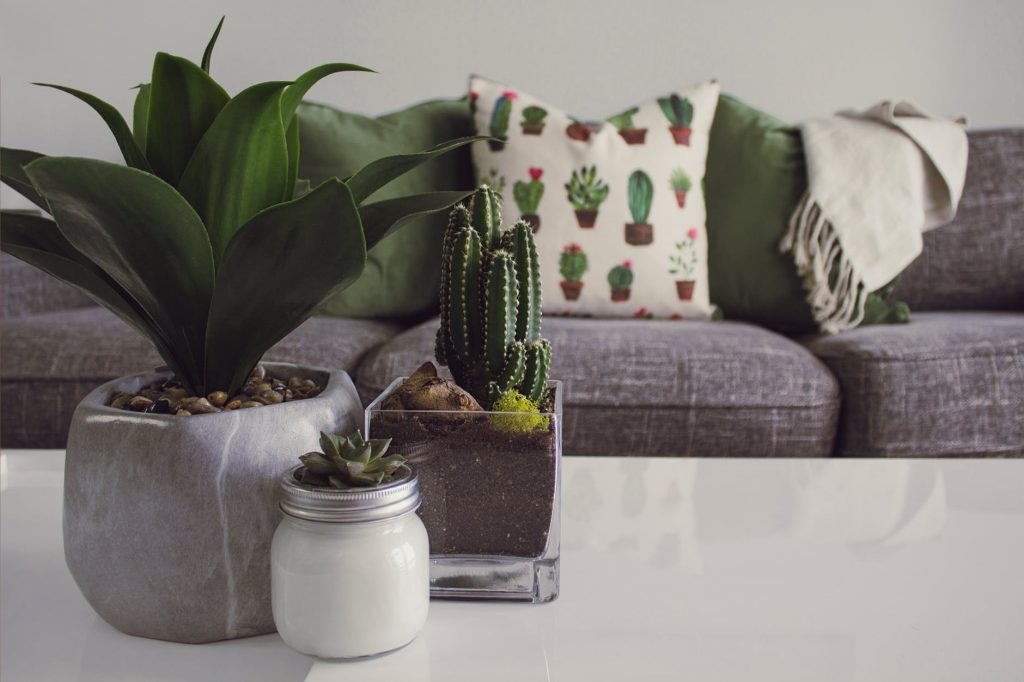
- Bring nature home: It’s not always easy to get away to the outdoors, however, you can make small changes to where you spent most of your time. Re-design your surroundings using colours such as blue, green and yellow. Such colours are often associated with nature and are known to lighten your mood and make you feel pleasant. Try to keep your windows open whenever you can, to let in natural light and fresh air. Keeping little pots of plants around your room or house is known to be soothing and will also help in keeping the air you breathe fresh.
Go outside and enjoy nature as much as you can. Not only does it keep you away from stress, but also keeps you mentally and biologically fit by helping your mind and soul stay away from negativity.
– Rishika Narayanan
You should definitely get more of these ✌️