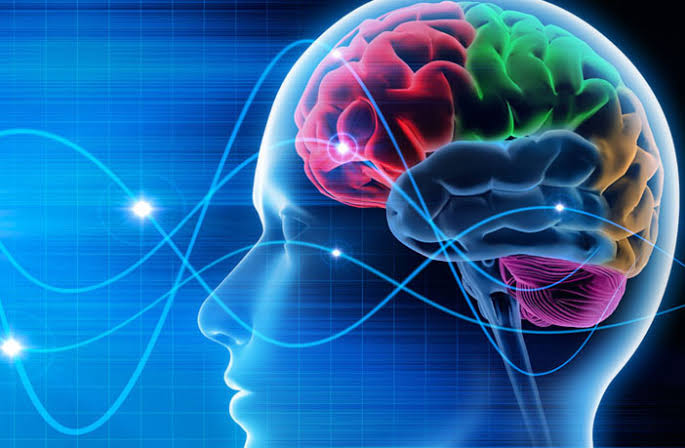
The brain is a very complex structure. As humans we’ve been trying to decode exactly how the brain works, for years. Different areas of the brain are responsible for different things. The network, the electrical impulses used to communicate between them and other cells.
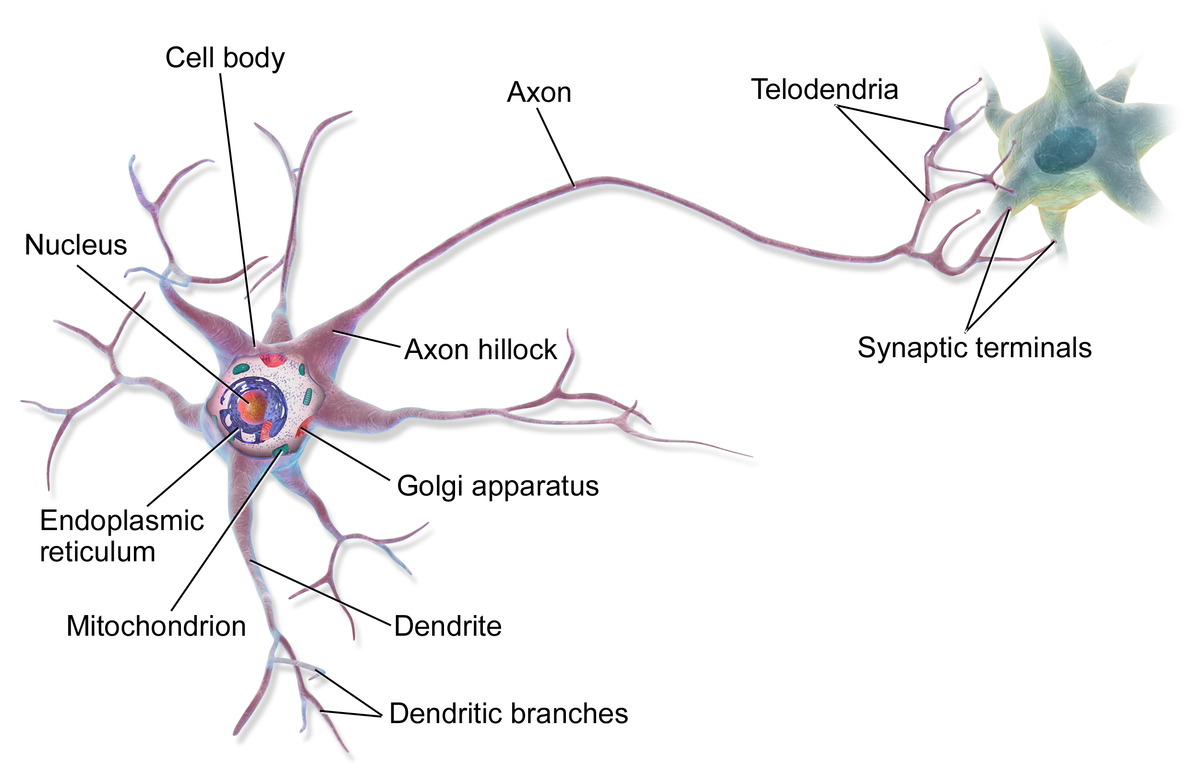
Interestingly, how neurons operate is very similar to how muscle cells do during exercise. A protein called Glut4 helps capture glucose molecules from the blood stream, by acting as a doorway on the surface of the cell membrane. Glucose is the fuel that the neurons use to help us think. The mitochondria converts this glucose to ATP which is used to transport ions across the length of the neuron. At the end of the cell, this charge is converted to a chemical signal with the help of neurotransmitters, a language that the cells can understand. These neurotransmitters are released from the hundreds of thousands of vesicles in the neuron. The ion released by the neuron into the synaptic gap between two neurons is then picked up by the next neuron and the chain continues.
What if the stimulation to a neuron were to be given, not by another neuron, but simulated through actual electricity, using an electrode? Would we get the same effects? How could we use this to our advantage?
Electronic brain stimulation is not a new area of research but its applications are still evolving. Stimulating nerve cells can help release neurotransmitters thereby aiding in the treatment of various diseases, especially those caused by a lack of the same. There are both invasive and non-invasive techniques used in various degrees today, depending on the intensity and permanence of the required outcome. Depression, Parkinson’s’ disease, PTSD, and epilepsy are all treatable with some or the other form of EBS. In cases where response to pharmacological drugs was not observed, moving to this form of treatment has had profound improvement. Nerve cells are incapable of multiplying, so in cases where there is damage to a significant portion of the brain, simulation helps to restore some functionality.
Micro stimulation activates neurons sparsely even at very low currents. This activation of neurons depends on whether there are dendrites near the electrodes. Dendrites receive stimulus and axons transmit them. However this activation of neurons is not synaptic and that can have some unprecedented effects. Motor and sensory movements are prominent. It can also cause a myriad of emotional responses. There is change in cognitive functioning, such as going into a trance or reliving past experiences. Some extreme cases even report metamorphosis. However these effects are not purposeful and controlled. Research into how to tap these effects, if fruitful, can lead to super human abilities. Complicated cognitive functions, numbing or enhancing emotions, simulating the effects of drugs, reducing pain, and stress. All of these which are proving to be complicated matters could all be changed and altered through psychosurgery. Infact if we knew exactly how the brain worked, most diseases and shortcomings could be directly affected by targeting the respective nerves or releasing the required transmitters manually. Together with advancement in genetics and genetic engineering, we could be living in a world where science-fiction would no longer be fictional.
However the ethical repercussions and consequences in the context of military and defence is a different topic altogether. Experimentation on animals and humans is also difficult since neural networks and connections are formed during our life-time and are dependent on experiences and situations, which are not the same from person to person. It’s also difficult to differentiate which connection where formed when and what exactly they do. While EBS can be used to numb pain and emotion associated with a particular event, it could also lead to an army of ruthless soldiers immune to fear. Improper administering and misuse can alter drastically what it means to be human. Yes, we already definitely have our hands full here already. Only time will tell what the future holds in store for this field. For now, I guess it’s best to stimulate the brain by taking a walk, getting some exercise, or spending time with a loved one. No electrodes involved.
– Sriya Srinivasan