If you’re a regular WhatsApp user, you would’ve come across one of the infamous “WhatsApp forwards” featuring Good Morning messages, 36% of NASA are Indians etc. One such ‘gyan’ is to keep your phone away from you while sleeping due to the effects of radiation. Sounds boring, right? In reality, there is quite some merit to that claim.
Before I delve into technicalities, let’s talk about the smartphone market in India.
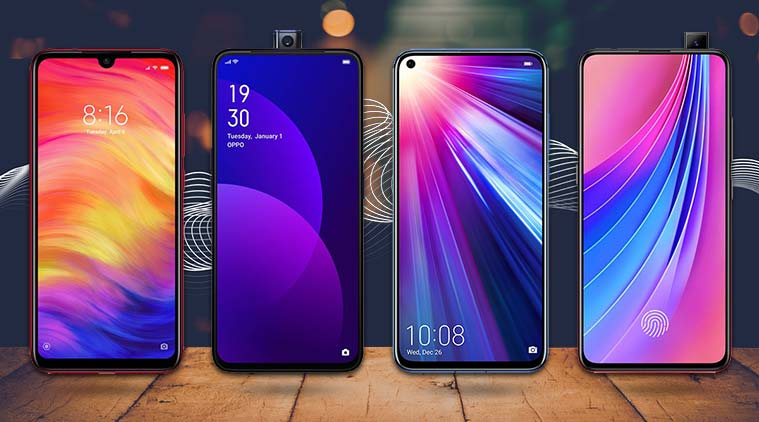
OnePlus and Xiaomi are just a few of the brands that dominate the budget and midrange segment of smartphones sold in India. To youngsters like us, the specs sheet filled with the latest Snapdragon chipset, a Sony IMX586 camera sensor, and a 1080p OLED screen, catch more eyes than build quality (I hate glass backs) and the lack of a removable battery. But one question remains: When did these phones get SO CHEAP?
Think about it: The recently launched Redmi K20 Pro boasts the Snapdragon 855 chipset and notch-less display with a pop-up camera, and costs only ₹26,000 (as of Dec ‘19). The next cheapest phone to feature that chipset is the OnePlus 7, which is ₹43,000 (as of Dec ‘19), and is still well short of the Pixel 4, Note 10, and other premium flagships. How do these Chinese companies bring down manufacturing costs in ways that South Korean, Taiwan, and American companies can’t?
One obvious reason is profit margins. But a second, often overlooked reason, is the SAR Value.
What is SAR? A quick Google search yields that SAR, or Specific Absorption Rate, is the rate at which energy is absorbed by the human body when exposed to a radio frequency (RF) electromagnetic field, typically originating from smartphones or mobile network towers. Its units are generally in Watts per kilogram or W/kg. In simpler terms, it is a measure of radiation emitted by smartphones.
Various governments have established maximum SAR values that smartphones can emit to be fit for consumers. In India, the maximum permissible SAR value (as of Dec’ 19) is 1.6 W/kg.
Samsung smartphones have maintained a SAR value of upto 0.1 W/kg. Guess what’s the SAR value of the latest Redmi or OnePlus smartphones? 0.8 W/kg and rising! By compromising on the radiation limit by using inferior materials, Chinese smartphone vendors have captured the Indian market and mindshare by giving them what they want.
Samsung did give in, with the M30s featuring a gigantic 6000 mAh battery for just ₹14,000 but with a SAR value of 0.47 W/kg, in an attempt to stabilise their share in the Indian smartphone market. To add, other vendors are following suit.
This mentality of forgoing quality for price isn’t just restricted to smartphones. For 2 decades, Maruti Suzuki has gotten away with using very shoddy and light materials in the construction of their cars in an effort to make them cheaper. Maruti Suzuki-branded cars are among the lowest scoring cars in crash ratings, yet the Indian market has consistently preferred them over others.
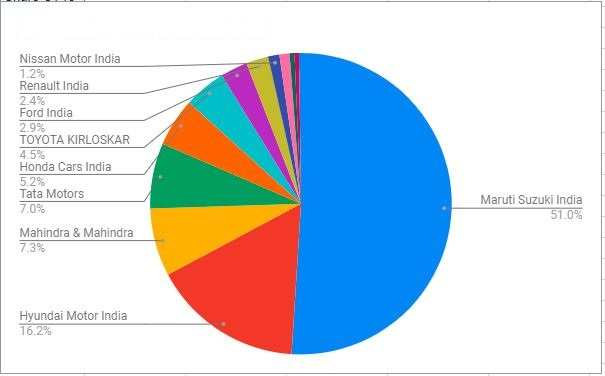
To say this is purely an Indian thing would be naïve, as Chinese smartphones are selling well worldwide. Rather, it is the companies’ cost-cutting procedures while disregarding their environmental impact that have led to this, knowing full well that the Indian buyer rates looks and features higher than safety and longevity.
To conclude, as I sheepishly look at my Redmi phone on my desk, I will definitely look into SAR value as a factor while purchasing my next smartphone, because I’m aware of its effects, and I’d rather spend more if it ensures that I get products of better quality.
Will you?
– Bharath Adikar