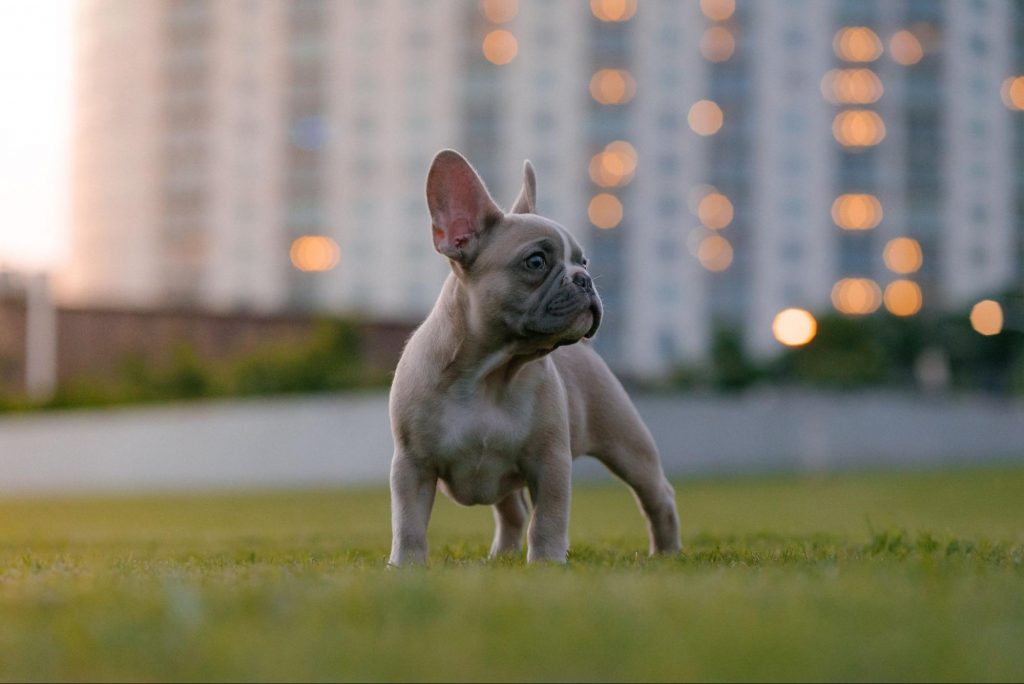
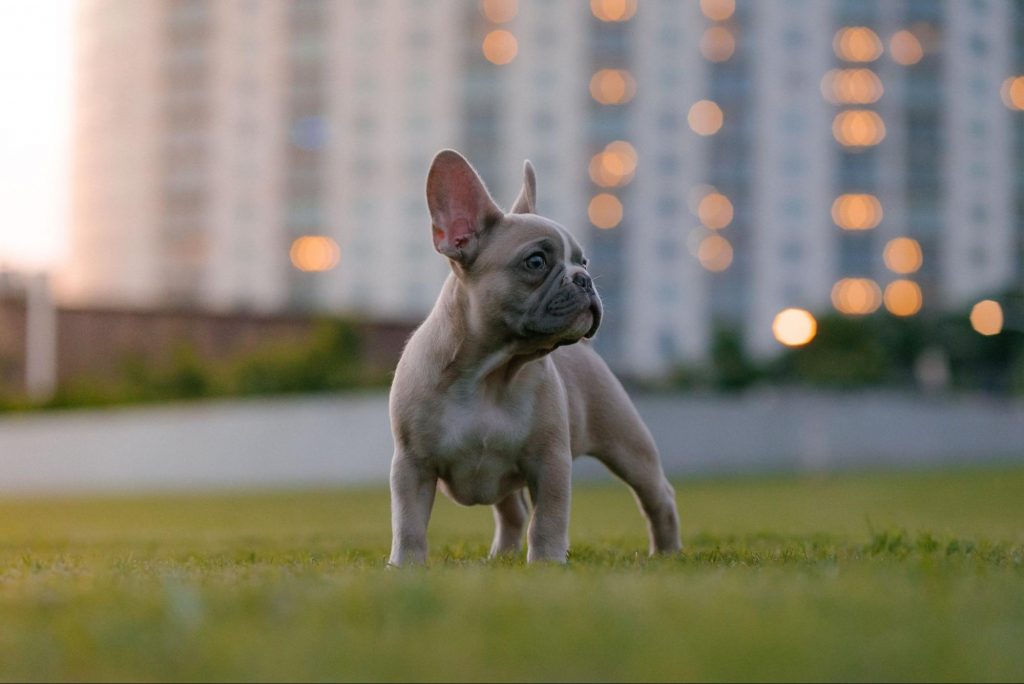
If someone were to ask you to find the differences between these two images, you’d probably say there were none. And if the same person declares that one of these pictures has been modified, you might think that the person is mistaken. In fact, to the simple, plain eye these images do indeed look unmodified, but digging a little deeper into the bits and pieces that make up these pictures will prove you wrong. For example, the steganographic image up top has one of the world’s most famous poems – All the World’s A Stage by William Shakespeare embedded in it!!
Steganography (derived from the ancient Greek word steganos which meant ‘covered’) is an ancient act of concealing information, usually in plain sight and in ways that prevent the detection of hidden data. To understand this statement a little better, a very old example of steganography can be traced back to the usage of lemon ink to hide secret messages within letters. The goal of using steganography is to conceal the very existence of hidden embedded data so that attackers don’t know where to direct their attacks in the first place. Methods of steganography include invisible ink (as mentioned above), microdots, character arrangements, digital signatures, and more.
As you can see, it is a little different from cryptography. Cryptography alters the structure of the secret data, whereas steganography usually doesn’t. Cryptography scrambles a message so it cannot be understood. A message in ciphertext may arouse suspicion whereas an undetectable message will not, which is where steganography holds a crucial role.
A steganography system is usually made of three components:
- Cover-object : What actually hides the secret message
- The secret message
- Stego-object : the cover-object with the secret message embedded inside it.
There are many types of steganographic techniques depending on the type of cover objects being used.
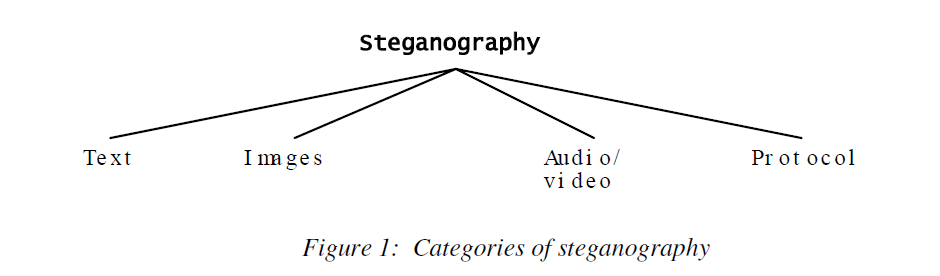
- Text Steganography: The secret message could be hidden using the number of white spaces, capital letters, seeking a specific pattern of characters within the text.
- Image Steganography: Quite a popular technique used in digital steganography, image steganography involves using pixel intensities to hide the information. Least Significant Bit(LSB) insertion is a popular method for hiding data in images. The idea behind LSB embedding is that even if we change the last bit value of a pixel, there won’t be much change to the colour intensity, or at least not to the naked eye.
- Audio/Video Steganography: In audio steganography, the audio file acts as a carrier. It is quite an important medium due to the rising popularity of voice over IP (VOIP). Video steganography is a technique to hide information in a digital video format. Since videos are ultimately a collection of images, it does make sense to make use of this media format to hide information, given its increasing popularity.
- Network Steganography: Uses legitimate network traffic as the means to transfer secret information over an untrusted network. In the OSI model, there exist channels where steganography can be achieved in unused header bits of the TCP/IP fields.
Steganography is employed in various applications, for example, one that particularly fascinated me was its use in smart IDs (identity cards) where individuals’ details are embedded in their photographs. The techniques employed in image steganography are also similar to those used in digital watermarking/fingerprinting, which can create added security measures in case of unlicensed usage of said images.
Conclusion:
Steganography by itself does not ensure secrecy but then nor does encryption. However, combining both can give us stronger encryption methods as a result. If a message is initially encrypted and then embedded inside a video let’s say, it becomes even more secure. Digital image steganography is gaining popularity in use and application. In places where cryptography and strong encryption are outlawed, steganography creates a loophole that can circumvent policies and pass secret messages.
– By Nirmal V Nair, Third Year Department of Mechanical Engineering