Introduction
Lithium is a soft, silvery-white metal that is widely used in batteries, ceramics, glass, and other industries. It is the lightest metal and has the highest electrochemical potential, making it a critical component in batteries that power everything from smartphones to electric cars. In recent years, lithium demand has surged due to the increasing popularity of electric vehicles and renewable energy storage systems. This presentation will examine the opportunities and challenges of the future of lithium.
Lithium Extraction
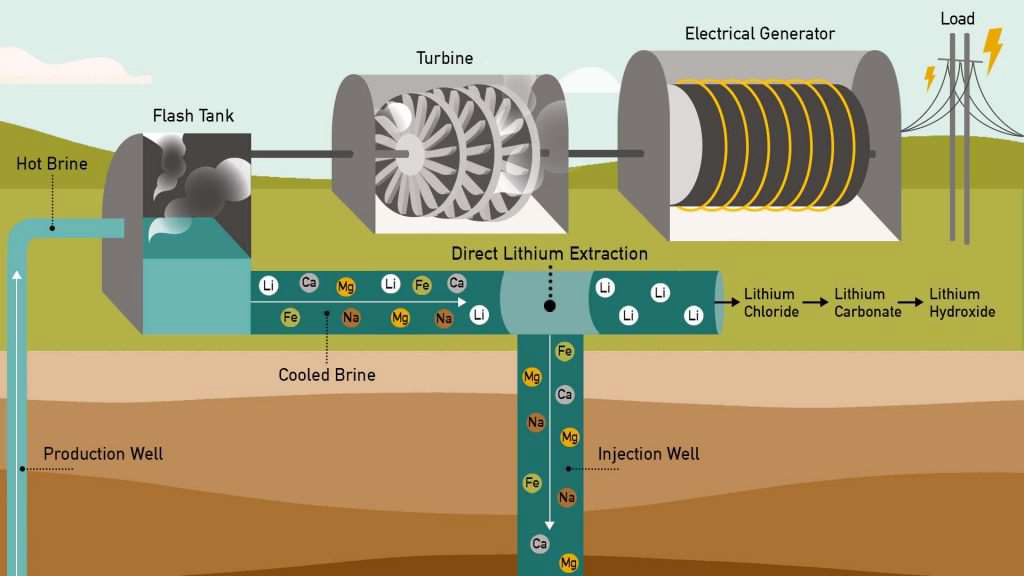
Lithium is mainly extracted from brines and hard rock deposits, Brines are the most common source of lithium, representing around 66% of global production, while hard rock sources contribute the remaining 34%. Brine Lithium mining is typically done in two ways: solar evaporation and mechanical evaporation. In the solar evaporation process, brines are pumped into large ponds and left to evaporate in the sun. The remaining slurry is then processed to extract lithium. In mechanical evaporation, the brine is pumped into a series of shallow pools, and mechanical equipment is used to agitate the brine, increasing the rate of evaporation.
Opportunities – Electric Vehicles
The electric vehicle (EV) market is the largest consumer of lithium, and demand for EVs is expected to continue growing rapidly. As countries around the world implement policies to reduce carbon emissions, automakers are investing heavily in EV production. According to BloombergNEF, EV sales are expected
to increase from 3.1 million in 2020 to 14 million in 2025, and 54 million in 2040. This growth will translate to an increased demand for lithium batteries, which are essential components in EVs.
Renewable Energy Storage
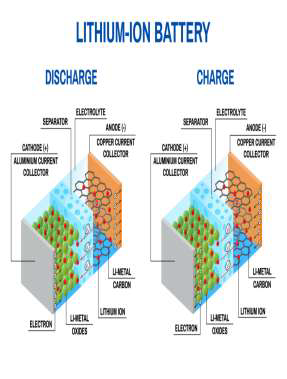
Renewable energy storage systems are becoming increasingly popular as countries shift towards clean energy sources. Lithium ion batteries are an integral part of these systems, enabling the storage of solar and wind energy when it is abundant and releasing it when it is needed. According to BloombergNEF, global stationary storage deployment is expected to increase from 4.4 GW in 2020 to 15.1 GW in 2025, and 158 GW in 2040. This growth will create a huge demand for lithium batteries.
Challenges – Supply chain vulnerability
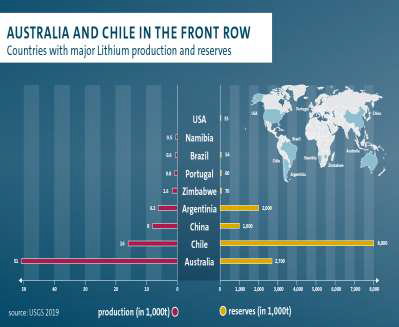
The majority of the world’s lithium supply is concentrated in a few countries, including Australia, Chile, and Argentina. This concentration creates supply chain vulnerabilities, as any disruption in these countries could lead to a shortage of lithium. Additionally, there are concerns about the environmental impact of lithium mining, particularly in countries like Chile where water scarcity is a significant issue.
Technological Advancement
As technology advances, new battery chemistries are being developed that could potentially replace lithium-ion batteries. For example, solid-state batteries and flow batteries are being developed that could offer higher energy densities and longer lifetimes than lithium-ion batteries. If these technologies prove to be viable and cost-effective, they could pose a challenge to the future demand for lithium.
Lithium for India
India has rich deposits of lithium, a key component in the production of batteries for electric vehicles and various electronic appliances. The Indian government aims to boost the domestic production of lithium and reduce dependence on imports by enabling the extraction of this mineral. India has adopted various technologies to extract lithium, such as microorganisms that can dissolve lithium, and the conventional process of leaching. India has established joint ventures with various countries, including Australia and Bolivia, to explore and extract lithium from their respective reserves. The production of lithium in India is expected to support the growth of the domestic electric vehicle industry and accelerate the country’s transition to renewable energy sources. The government has announced various initiatives to promote the use and adoption of electric vehicles, creating a favorable market for lithium extraction businesses.
Conclusion
The future of lithium is bright, as the demand for batteries continues to increase in the electric vehicle and renewable energy storage markets. However, there are challenges to be overcome, such as supply chain vulnerabilities, technological advancements, and price volatility. Companies that can navigate these challenges and invest in sustainable and ethical lithium production will be well-positioned to take advantage of the opportunities presented by the future of lithium.
~ Sai Priya, Second Year of Department of Mining Engineering